Tesla sets year-end deadline for first private Cybercab deliveries
The automaker confirmed that customer handovers for the two-seater robotaxi will begin before the end of 2026, following a period of internal fleet testing.
By Chinedu Okafor ·
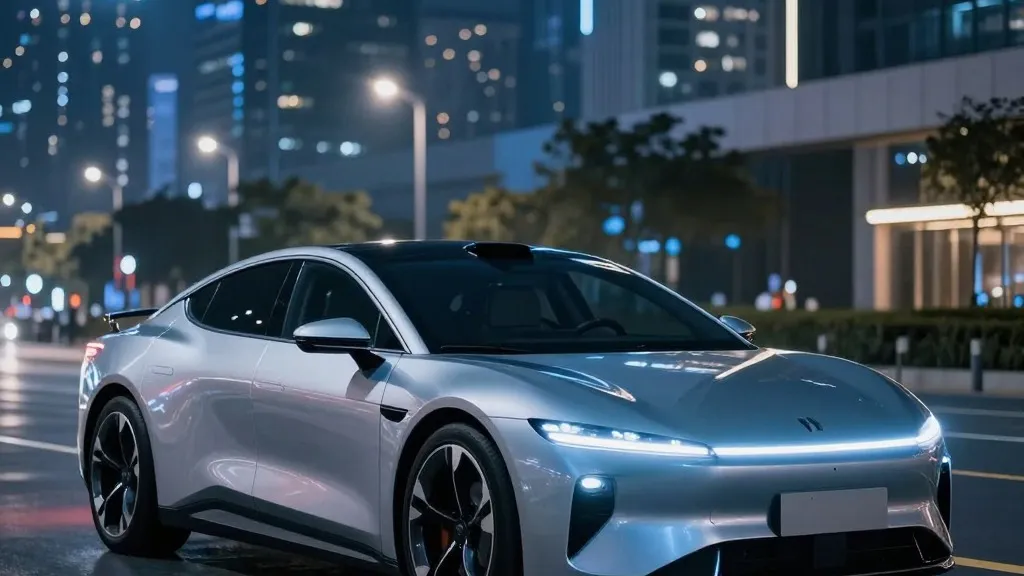
Tesla has officially scheduled the first private deliveries of its Cybercab to occur before the end of 2026, providing a concrete timeline for the release of its fully autonomous, purpose-built vehicle. This announcement resolves ongoing uncertainty regarding whether the two-seater would become available to the general public in the immediate future.
The timeline was established during the company’s third-quarter 2026 earnings call held on October 21. Lars Moravy, the Vice President of Engineering, stated that the company is targeting customer handovers by year-end. While production of the Cybercab is currently active on the assembly line at Gigafactory Texas, Moravy noted that every unit coming off that line is currently being allocated to Tesla’s internal Robotaxi fleet rather than to individual buyers.
The path to this decision has been marked by a phased rollout. Production of the vehicle, which lacks a steering wheel and pedals, began in February of this year. By early September, Tesla had deployed these initial units into its Robotaxi service, allowing the public to book rides. The company had previously signaled an intention to price the vehicle at approximately $30,000, positioning it as an affordable entry point into autonomous transportation.
Elon Musk, the company’s CEO, reinforced the strategic shift toward a service-based model during the same call. He described the Cybercab primarily as a 'transport-as-a-service' product rather than a traditional personal vehicle like the Model 3, Model Y, or the upcoming Roadster. Musk emphasized that the vast majority of Cybercab units will remain owned by Tesla, distinguishing them from standard consumer sales.
Despite the confirmed delivery date, the initial rollout to private customers will be modest in scale. Moravy explained that Tesla intends to start small to build experience in several key areas, including delivery logistics, ownership models, and fleet management. A significant part of this learning curve involves operating autonomous vehicles outside of the company’s direct, centralized control, a transition from the current internal fleet operations.
Looking ahead, the broader integration of autonomous technology into Tesla’s lineup is on a separate track. Ashok Elluswamy, the Head of AI, indicated that unsupervised Full Self-Driving capabilities are expected to ship to consumer cars during the second quarter of 2027. This suggests that the Cybercab will be the first vehicle to feature this level of autonomy for a specific period, before the technology becomes standard across the wider model range.
Several hurdles remain before the first private Cybercabs reach their owners. Regulatory agencies are currently lagging in approval processes, which may result in early buyers or fleet operators receiving vehicles with geographically restricted autonomous operation. These constraints mean that while the car will be delivered, its full autonomous capabilities may not be usable in every location immediately upon handover.
Source: Teslarati