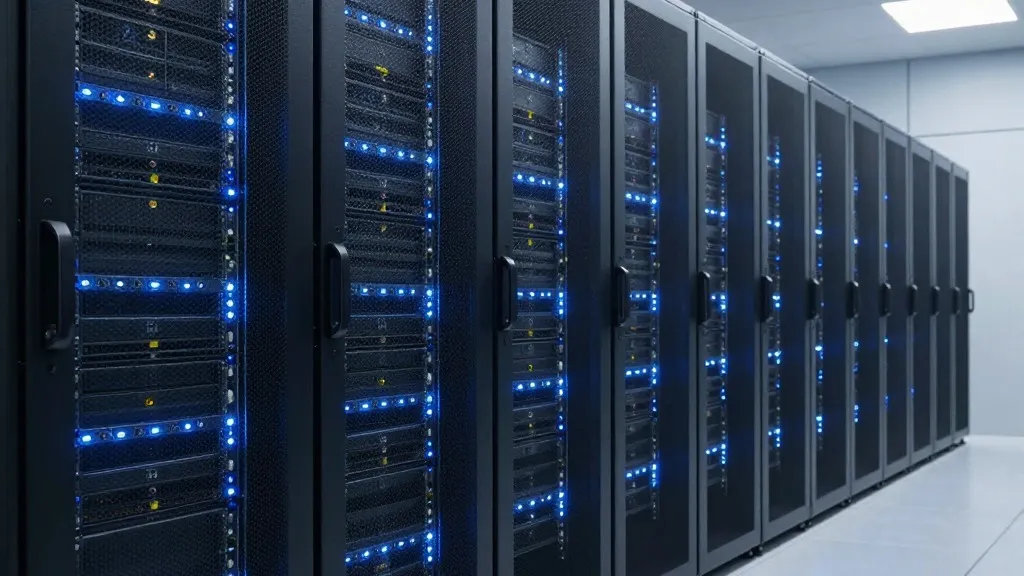
Trump Proposes Energy Dividends for AI Data Center Hosts
The president is urging tech giants to share excess power with local residents to offset rising utility bills and reduce opposition to new construction.
By Lucia Herrera ·
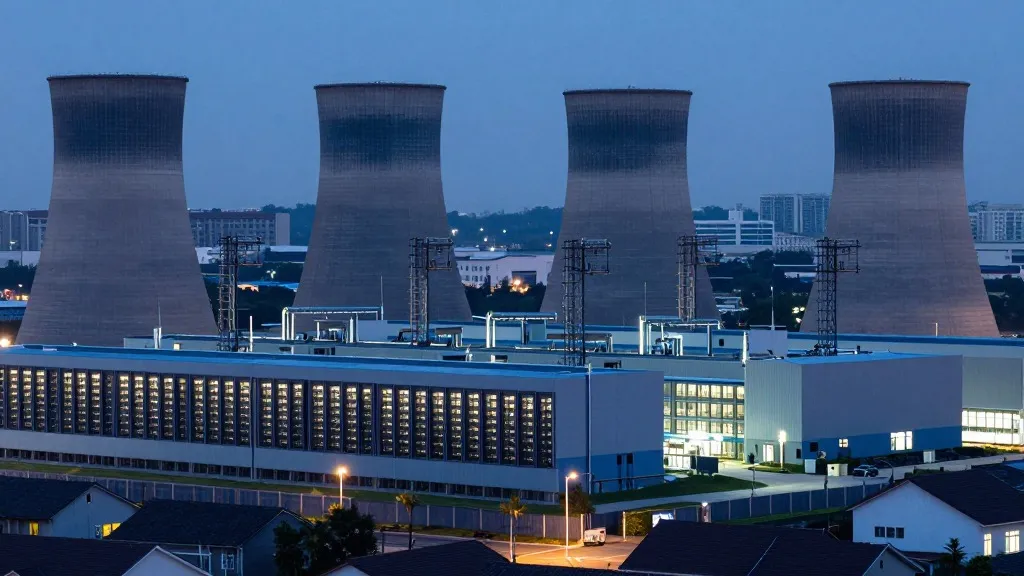
The rapid expansion of artificial intelligence infrastructure has become a significant point of contention across the United States, prompting federal leaders to seek new ways to balance technological growth with local economic stability. On October 21, 2026, President Donald Trump announced a new directive calling for data center builders and major AI companies to provide financial or energy-based dividends to the communities hosting their facilities.
The proposal aims to address the growing resentment toward large-scale data centers by ensuring that local residents receive tangible benefits in exchange for the infrastructure’s presence. In a post on Truth Social, the President stated that these facilities should be mandated to generate their own electricity and then sell or give the excess power back to the local grid. This move is intended to prevent energy prices from rising for nearby households and, in some cases, to actively lower costs.
Local communities have increasingly protested against the construction of AI data centers due to their substantial impact on daily life. Residents frequently cite rising electricity bills, noise pollution, air quality issues, and water shortages as primary concerns. By linking the financial burden of energy consumption directly to the companies benefiting from the infrastructure, the administration hopes to make the presence of these data centers more palatable to local populations.
The Trump Administration views this strategy as a critical component of the broader race against China in the AI sector. By fostering better relations with local communities, the government aims to accelerate the construction of new facilities without facing prolonged delays from local opposition. The administration has previously ordered these companies to produce their own electricity, and this new mandate builds on that framework by focusing on the distribution of surplus energy.
The President emphasized the economic logic behind the proposal, noting that data centers have historically faced local resistance until a financial agreement was reached. He urged industry leaders to "MAKE DEALS, and get them built!!!" suggesting that a clear financial benefit for the community is the key to unlocking faster construction timelines and smoother regulatory approvals.
While the proposal focuses heavily on energy costs, it is part of a broader suite of measures aimed at reducing the local burden of data centers. A recently passed act already requires data centers to cover the costs of grid upgrades, preventing those expenses from being passed on to local taxpayers. The new dividend structure could further alleviate these costs by offsetting the price of electricity for homes in the immediate vicinity of these facilities.
However, analysts note that the term "dividend" raises questions about the financial structure of these payments. Typically, dividends are paid only when a company is profitable, which may not be the case for new data center builds that are still recouping high initial construction costs. The practical mechanics of how these dividends will be calculated and distributed remain to be seen, with electricity cost relief likely being the primary form of compensation.
Despite the focus on energy, the proposal does not address all the concerns raised by local residents. Issues such as water consumption, ecological damage, and pollution remain significant hurdles that financial incentives may not fully resolve. The success of this mandate will depend on whether the energy dividends are substantial enough to outweigh the other environmental and logistical drawbacks associated with hosting large-scale AI infrastructure.
Source: Tom's Hardware